

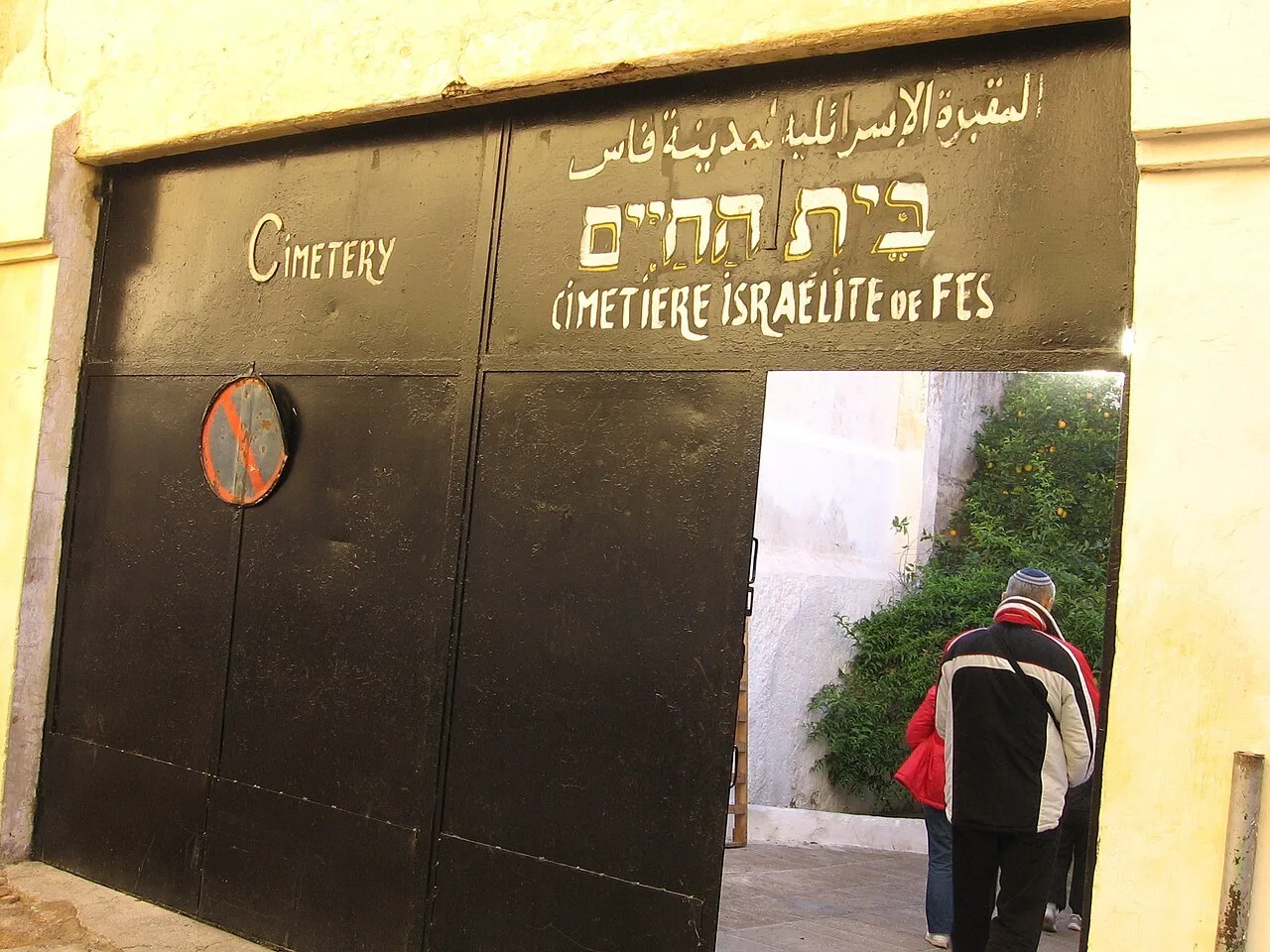
A visit to the Mellah in Fes deserves its own time and context. It should not be treated as a quick photograph added to a long medina checklist. Streets, religious buildings and places of remembrance tell different parts of the city's Jewish history, and thoughtful guiding helps connect them without reducing the community to a single story.
Choose the scope before the stops
Explain what interests you: family history, architecture, religious heritage or a general introduction. A specialist heritage visit may need a different guide and more preparation than an ordinary city walk. If you have a particular family name or research question, send it ahead and ask what can realistically be investigated.
Keep expectations precise. A sightseeing visit is not archival research, and access to private records or community spaces should never be assumed. An organiser should distinguish confirmed appointments from possibilities.
Understand the geography
Fes el-Jdid and the Mellah form a different part of the city from the dense walking routes many visitors associate with Fes el-Bali. Plan the transfer or walking connection deliberately. Trying to cover both comprehensively in a short outing can leave little time for understanding either.
The Moroccan tourist office includes the Ibn Danan synagogue in its description of the city's heritage. Ask which synagogue, cemetery or other interior is actually included in your proposed visit. Names and an exterior photograph are not evidence that entry has been arranged.
Confirm access near your travel date
Religious observances, caretaking arrangements and local circumstances can affect visiting. Check the current opening and whether an appointment or separate contribution is required. Leave enough flexibility to adjust the sequence if a place cannot receive visitors.
Ask whether the guide accompanies you inside and which language is available. If your interests are detailed, request evidence of the guide's relevant knowledge rather than relying solely on a broad “heritage tour” label.
Keep respect practical
Wear clothing suitable for the sites you are entering and follow the caretaker's directions. Ask about any head-covering requirements rather than guessing. At the cemetery, remain on the visitor route and avoid disturbing graves or objects left in remembrance.
Request permission before photographing interiors, inscriptions or people. A public doorway does not make every space beyond it open to visitors. Put away the camera when asked, and give other visitors room for reflection.
Leave time for conversation
A meaningful visit includes pauses to ask questions. Avoid compressing the heritage element between shopping stops with fixed commissions or appointments. Tell the organiser if you prefer no retail visits, and agree on any optional craft stop separately.
For guests travelling with children, explain the themes you would like the guide to cover in accessible language. Balance standing time with a seated break and check toilets along the route. The history deserves attention without exhausting the group.
Is every synagogue open for tourists every day?
No. Obtain current access confirmation for each named place rather than assuming a daily schedule.
Can this be combined with Fes el-Bali?
Yes, with sufficient time and a realistic connection. Decide which part of the day has priority.
Can I request a heritage specialist?
Yes. Contact MLV with your interests, compare Fes walking considerations, and browse available experiences. Ask for a confirmed route that distinguishes public streets from arranged interior visits.